
About
Empowering You
Support for Families & Palliative Care Teams
When we think about death, it is usually in medical terms. Death, of course, has a biological dimension that we can address with medical interventions. But the death of a person also has emotional, spiritual, practical, and social dimensions that need to be navigated. Through Heart and Hands we pay due attention to these often neglected aspects of death, giving individuals, families, and care teams the tools and support they need to encounter end-of-life with reassurance, dignity and acceptance.
Empowering You
Support for Families & Palliative Care Teams
When we think about death, it is usually in medical terms. Death, of course, has a biological dimension that we can address with medical interventions. But the death of a person also has emotional, spiritual, practical, and social dimensions that need to be navigated. Through Heart and Hands we pay due attention to these often-neglected aspects of death, giving individuals, families, and care teams the tools and support they need to encounter end-of-life with reassurance, dignity and acceptance.
“There are times when our suffering is so great, it needs more than just one person to hold it.”
—Thich Nhat Hahn
Soul Carer
Your Guide
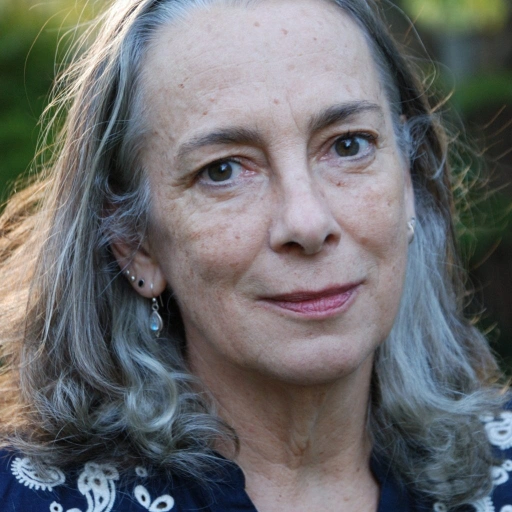
Carol
Heart and Hands came into being when a knowledgeable and compassionate friend transformed my own experience of a loved-one’s death from misery and confusion to a time of dignity, grace and acceptance. The lesson of her guidance has impelled me to offer the same support to others.
I’ve developed a holistic, person-centred approach that honours the individuality of my client and the uniqueness of their journey. My 25 years’ experience as a Reiki practitioner and intuitive massage therapist are integrated into the Heart and Hands way, with gentle physical touch therapy when needed. My approach is also firmly rooted in supportive counselling, practical guidance and empowering information for clients and their circle of care.
When Death Came for Ouma Iza
When Death came for Ouma Iza, we knew what to do, because she had prepared us. She had witnessed the frailty of those who made it to their ninth decade and decided that it wasn’t for her…
When Death Came for Ouma Iza
When Death came for Ouma Iza, we knew what to do, because she had prepared us. She had witnessed the frailty of those who made it to their ninth decade and decided that it wasn’t for her…
Read More
“I don’t want to be ninety,” she said from her mid-eighties. Bent over by a crumbling spine, with full time carers, she maintained her dignity with a wicked sense of humour and an independence she gave up bit by bit, in her own time.
On her ninetieth birthday she said, “I definitely don’t want to be ninety-one.” But continued planning the menu for her birthday tea at the retirement village. Two weeks before that birthday Death heard her and sent a messenger ahead to inform her that He would soon be there. She had a stroke and began losing her speech, but enough words remained to instruct us. When told that her doctor said he can admit her to hospital, she said emphatically, “Nee!” I looked at her and said, “I agree. Hospitals are for sick people…” finishing the sentence in my head “… and you are not sick, you are dying.”
What followed was exactly what she told us she wanted for her final days – to leave this world in her nightie, in her own bed, her own home, surrounded by familiar sounds, smells and faces.
She took to her bed – and never left it – unheard of until then. She murmured half-sentences with half closed eyes while drifting in and out of consciousness. The carer played her favourite classical music while administering care.
Guided by my friend, a palliative care nurse, we were schooled in the stages of the dying process.
When I told her Ouma’s breathing had become more laboured, she said gently, “The end is drawing closer. But there is no pain for her at this stage.” So, I sang to Ouma , “There is no pain, you are receding/a distant ship’s smoke on the horizon/you are only coming through in waves/your lips move but I don’t know what you’re saying…” Pink Floyd soothed her passage for my husband and me. We watched her say goodbye to her body as her arms reached out to those who had come to fetch her. Her parents, her siblings, her daughter, old friends: all who had gone before.
Sitting alone at her bedside massaging her feet, I felt a hand on my shoulder, a voice in my ear saying: “This is important and sacred work you are doing. Offer this to others who are journeying home.”
Ouma died on a Sunday at noon, a meaningful leaving on a holy day, four days before her ninety-first birthday. Our presence at her bedside, witnessing the end of her long life, eased our painful grief into acceptance. Her birthday tea became her memorial tea.
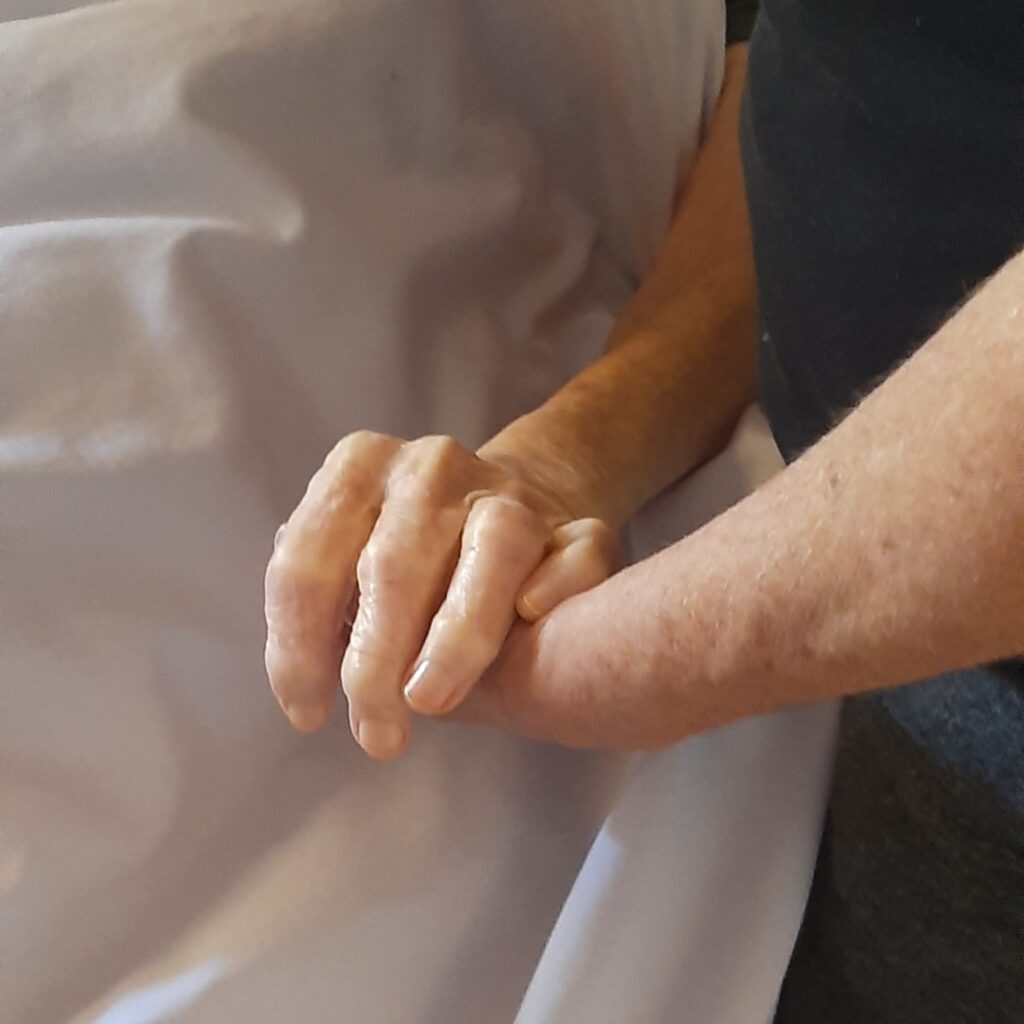
I answered that call I heard at her bedside. And now, sitting beside the dying, holding hands and supporting loved ones as their special person begins their journey home, I honour my mother-in-law Iza’s choice of a natural death.
Your Guide
Carol
Heart and Hands came into being when a knowledgeable and compassionate friend transformed my own experience of a loved-one’s death from misery and confusion to a time of dignity, grace and acceptance. The lesson of her guidance has impelled me to offer the same support to others.
I’ve developed a holistic, person-centred approach that honours the individuality of my client and the uniqueness of their journey. My 25 years’ experience as a Reiki practitioner and intuitive massage therapist are integrated into the Heart and Hands way, with gentle physical touch therapy when needed. My approach is also firmly rooted in supportive counselling, practical guidance and empowering information for clients and their circle of care.
When Death Came for Ouma Iza
When Death came for Ouma Iza, we knew what to do, because she had prepared us. She had witnessed the frailty of those who made it to their ninth decade and decided that it wasn’t for her…
Read More
“I don’t want to be ninety,” she said from her mid-eighties. Bent over by a crumbling spine, with full time carers, she maintained her dignity with a wicked sense of humour and an independence she gave up bit by bit, in her own time.
On her ninetieth birthday she said, “I definitely don’t want to be ninety-one.” But continued planning the menu for her birthday tea at the retirement village. Two weeks before that birthday Death heard her and sent a messenger ahead to inform her that He would soon be there. She had a stroke and began losing her speech, but enough words remained to instruct us. When told that her doctor said he can admit her to hospital, she said emphatically, “Nee!” I looked at her and said, “I agree. Hospitals are for sick people…” finishing the sentence in my head “… and you are not sick, you are dying.”
What followed was exactly what she told us she wanted for her final days – to leave this world in her nightie, in her own bed, her own home, surrounded by familiar sounds, smells and faces.
She took to her bed – and never left it – unheard of until then. She murmured half-sentences with half closed eyes while drifting in and out of consciousness. The carer played her favourite classical music while administering care.
Guided by my friend, a palliative care nurse, we were schooled in the stages of the dying process.
When I told her Ouma’s breathing had become more laboured, she said gently, “The end is drawing closer. But there is no pain for her at this stage.” So, I sang to Ouma , “There is no pain, you are receding/a distant ship’s smoke on the horizon/you are only coming through in waves/your lips move but I don’t know what you’re saying…” Pink Floyd soothed her passage for my husband and me. We watched her say goodbye to her body as her arms reached out to those who had come to fetch her. Her parents, her siblings, her daughter, old friends: all who had gone before.
Sitting alone at her bedside massaging her feet, I felt a hand on my shoulder, a voice in my ear saying: “This is important and sacred work you are doing. Offer this to others who are journeying home.”
Ouma died on a Sunday at noon, a meaningful leaving on a holy day, four days before her ninety-first birthday. Our presence at her bedside, witnessing the end of her long life, eased our painful grief into acceptance. Her birthday tea became her memorial tea.
I answered that call I heard at her bedside. And now, sitting beside the dying, holding hands and supporting loved ones as their special person begins their journey home, I honour my mother-in-law Iza’s choice of a natural death.
Soul Carer

Introduction to Palliative Care UCT 2021
Reiki Master 2016

Diploma in Counselling SACAP 2020